
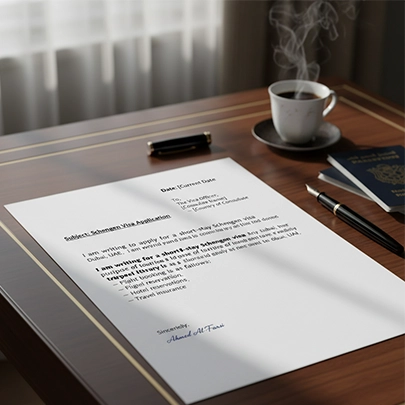
A Schengen visa allows travelers to visit 27 European countries within the Schengen Area using a single visa. For residents of Dubai—whether UAE nationals or expatriates—the Schengen visa is one of the most commonly applied-for travel visas due to Europe’s popularity for tourism, business, education, and family visits. While documentation such as flight tickets, hotel reservations, insurance, and bank statements are crucial, one document often underestimated is the cover letter. Applicants using professional Schengen visa services Dubai quickly learn that a well-written cover letter can significantly strengthen a visa application. It acts as your personal explanation to the embassy and helps present your travel plans clearly and convincingly.
Why a Cover Letter is Important for a Schengen Visa
A Schengen visa cover letter is not just a formality. Rather, it is an opportunity to communicate directly with the visa officer. Unlike supporting documents, which provide facts, the cover letter connects those facts into a coherent story. Here discussed are some key reasons on why a cover letter is important:
- It explains why you are traveling to the Schengen Area
- It clarifies your travel itinerary and duration
- It reassures the embassy about your intent to return to Dubai
- It helps resolve any potential doubts or gaps in documentation
- It demonstrates professionalism and preparedness
Embassies in Dubai handle thousands of applications every month. A clear, honest, and structured cover letter can make your application easier to review and more credible, something most Schengen visa services Dubai strongly emphasize.
What Should Be Included in a Schengen Visa Cover Letter?
Every Schengen visa cover letter should follow a logical flow and include specific details. Below is a breakdown of the essential sections that must be included:
- Applicant’s Personal Information: Begin your cover letter with your basic details such as:
- Full name (as per passport)
- Passport number
- Nationality
- UAE residence visa status
- Contact information
This helps the embassy immediately identify your application and match it with your documents.
- Purpose of Travel: Clearly state why you are visiting the Schengen Area. The purpose should match the visa type you are applying visa whether for: tourism, business, visiting family or friends or attending events or conferences. Be specific and concise when you explain your purpose of travel. Avoid vague statements like “for travel” or “for vacation” without further explanation.
- Travel Dates and Duration: When writing a Schengen visa cover letter, the travel dates and duration section should clearly and precisely outline when you plan to enter and exit the Schengen Area, along with the total length of your stay. You should mention your intended date of arrival, planned date of departure, and the exact number of days you will spend in the Schengen region. This information must align perfectly with your flight itinerary, hotel reservations, and travel insurance to avoid any inconsistencies that could raise concerns during visa assessment. Clearly stating your travel period helps the visa officer understand your itinerary at a glance and reassures them that your visit is well-planned, time-bound, and in compliance with Schengen visa rules.
- Countries to Be Visited: If you plan to visit more than one Schengen country, you should list all intended destinations and clearly mention your main destination. The main destination is usually the country where you will spend the most time. This information helps determine which embassy or consulate is responsible for processing your application.
- Accommodation Details: You should briefly explain where you will be staying during your trip, including hotel names or host details if staying with family or friends. Mentioning confirmed accommodation reassures the embassy that your stay is planned and that you will not face lodging issues during your visit. Supporting documents should align with what is stated in the cover letter.
- Employment and Financial Background: This section should outline your current employment status, job title, employer name, and duration of employment in Dubai. You should also clarify how your trip will be funded, whether self-sponsored or sponsored, and reference your bank statements or sponsor documents. This information demonstrates financial stability and your ability to support yourself during the trip.
- Intent to Return to Dubai: Clearly stating your intention to return to Dubai after your trip is crucial. You should highlight strong ties such as ongoing employment, business ownership, family responsibilities, or valid UAE residency. This reassures the visa officer that you do not intend to overstay and will comply with visa conditions.
- List of Enclosed Supporting Documents: Towards the end of the cover letter, it is helpful to briefly mention the key documents submitted with your application, such as your passport, flight itinerary, accommodation bookings, travel insurance, and financial proof. This provides clarity and helps the visa officer quickly verify the completeness of your application.
- Closing Statement: The cover letter should end with a polite and professional closing, thanking the visa officer for reviewing your application. You may also express your willingness to provide additional information if required. A respectful closing leaves a positive final impression and reinforces the seriousness of your application.
Common Mistakes to Avoid in a Schengen Visa Cover Letter
Even a small mistake can weaken an otherwise strong application. Below are common errors applicants should avoid:
- Using Generic or Copy-Pasted Content: Submitting a standard template without personal details makes the application look careless and unconvincing. Visa officers expect the cover letter to reflect your specific travel purpose and situation.
- Providing Inconsistent Information: Mismatch between the cover letter and supporting documents such as travel dates, purpose, or financial details can raise red flags. Consistency across all documents is critical for approval.
- Unclear or Vague Travel Purpose: Failing to clearly explain why you are visiting the Schengen Area can weaken your application. The purpose should be specific and aligned with the visa type applied for.
- Over-Explaining or Using Emotional Language: A cover letter should remain professional and factual. Emotional explanations or unnecessary details can distract from key information and reduce clarity.
- Spelling and Grammar Errors: Language mistakes create a poor impression and suggest lack of attention to detail. A well-written letter reflects seriousness and professionalism.
- Not Emphasizing Intent to Return: Failing to clearly state your intention to return to Dubai after the trip is a common mistake. Strong ties such as employment or residency should always be highlighted.
- Hiding or Misrepresenting Information: Providing false or misleading information can lead to immediate rejection or future visa bans. Honesty and transparency are essential in every visa application.
Applicants working with experienced Schengen visa services Dubai often avoid these mistakes due to expert review and guidance.

In short, a well-crafted cover letter can significantly improve the clarity, credibility, and overall strength of your Schengen visa application. For applicants in Dubai, especially first-time travelers, investing time in preparing a professional cover letter or seeking expert Schengen visa services Dubai can make a meaningful difference.
